

A rain symbol on a Phuket forecast does not answer the question that matters for a booked luge visit: what is happening at the venue when you are due to arrive? Treat the forecast as a reason to check your plans, rather than deciding from an icon that the activity must be cancelled or will definitely go ahead.
The useful preparation is a short sequence. Check the venue’s published guidance, confirm the current position when conditions are uncertain, and leave room around the activity for a delay. This guide explains how to make that plan without assuming that every shower has the same effect.
Separate the forecast from an operating decision
The published ride requirements distinguish light rain from heavier weather and storms. Light rain does not automatically stop activities; heavier rain or wind can cause a pause, and lightning or severe weather can lead to suspension. The team makes the operating decision for the conditions at the venue.
That distinction matters when your hotel and the attraction appear to have different weather. A message from a friend elsewhere on the island is useful context, but it cannot confirm the status of your session. Ask about the activity and time you actually booked.
Do not read an older photograph, a social post or yesterday’s report as a live operating update. Equally, a break in the rain at your hotel is not a signal to disregard staff instructions once you arrive. Use the venue’s current guidance for the decision at hand.
Ask one clear question before travelling
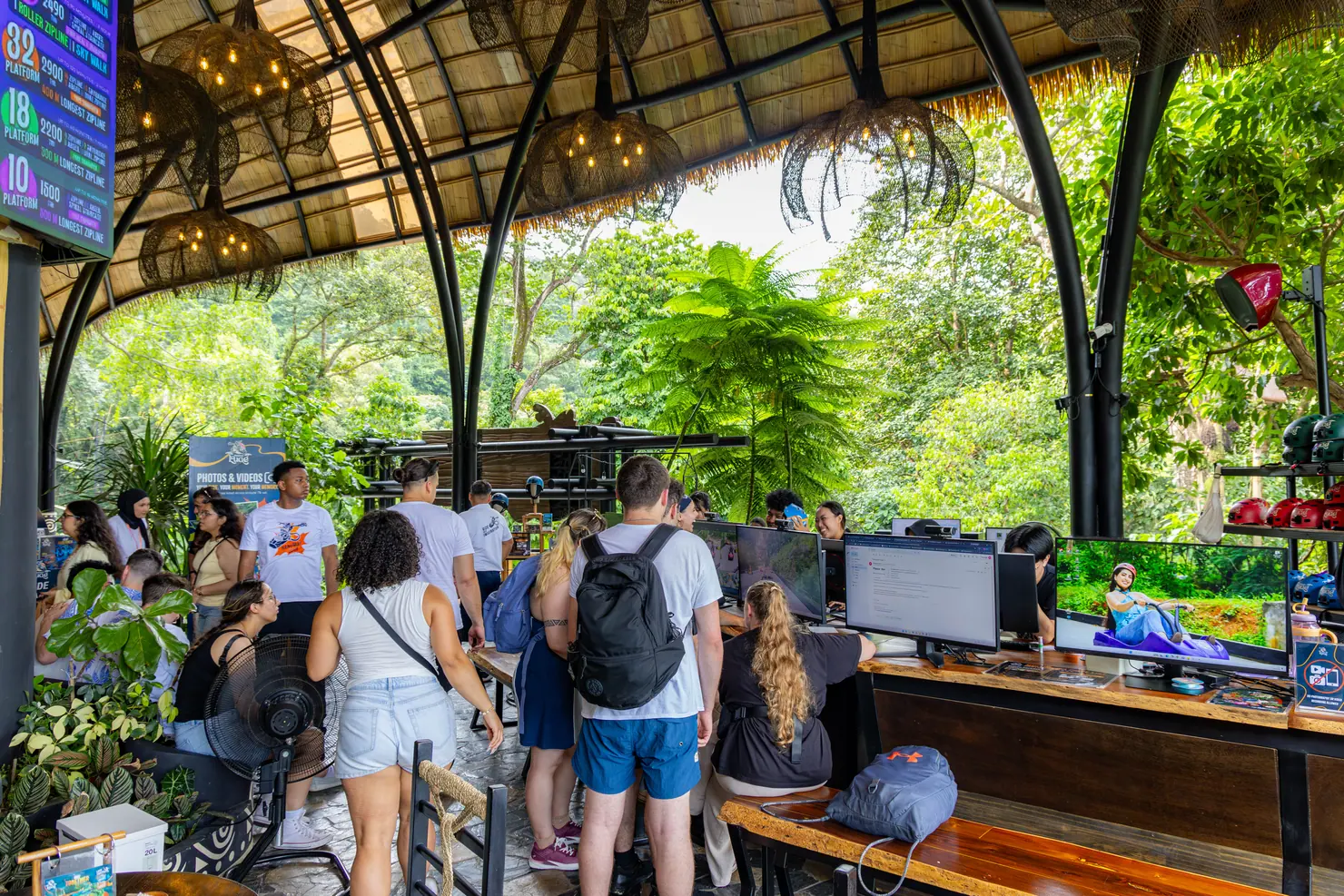
If conditions are uncertain, have your confirmation ready before contacting the team. Give the booked date, activity and time, then ask whether there are any operating or arrival instructions you should follow. A specific question is easier to answer than a general request to predict the weather for the whole day.
Keep the reply with your booking details so everyone travelling with you sees the same information. If a friend is handling transport while you handle the booking, pass on any confirmed change directly. Avoid leaving one person working from an old screenshot while another assumes the plan has moved.
If you cannot get a current answer, do not invent one for your companions. Say what you know and what remains unconfirmed. Check the terms attached to your booking before making a cancellation decision, and use the official contact route for a booking-specific answer.
Leave space on both sides of the visit
A flexible plan includes the journey, arrival and the activity itself. The venue asks visitors to arrive at least 15 minutes before their scheduled time. That check-in buffer is separate from whatever travel time you need and should not be treated as spare time for another stop along the way.
After the activity, choose an onward plan that can absorb a pause. A loosely planned meal is easier to move than a second prepaid activity with a fixed start. If another reservation is unavoidable, ask about your selected visit before booking and explain the constraint. There is no single total visit duration that removes weather uncertainty.
Think about your return journey too. Make sure you can contact whoever is arranging it, and understand any pickup instructions already supplied. Do not assume a driver can wait indefinitely or that a venue transfer changes automatically when your personal itinerary changes.

If staff announce a pause
Follow the directions about where to wait and what happens next. An operational pause is not an invitation to enter a closed section, take a closer track photograph or continue because other riders appear ready. Ask staff if you are unsure which area is available to your group.
Use the pause to check practical details calmly: who has the booking reference, whether anyone needs to contact their driver, and which later plans might need adjusting. Keep your belongings together so the group can follow the next instruction without searching for a bag or phone.
A pause also does not establish how long the interruption will last. If staff cannot give a reopening time, keep that uncertainty in your own plan. Avoid promising your companions that the next ride will begin in a few minutes just to keep the day feeling on schedule.
Handle ticket questions separately from the weather
The reason for a change and the terms of the selected booking both matter. A visitor deciding not to travel, an operational pause and a suspended activity are different situations. Ask which applies to your booking rather than assuming they all lead to the same refund or rescheduling result.
Read your confirmation and the current refund information, then ask the team to explain anything unclear. This guide does not replace those terms or create a new weather guarantee. Keep any confirmed arrangement in writing so you can refer to the agreed date, product and next step.

Prepare for the day you actually have
Pack for your journey and later plans without changing the riding requirements. Use the clothing and packing guide to organize suitable footwear and belongings. An extra item for the journey home can be useful, but it does not replace the team’s equipment or instructions.
For the full arrival-to-riding sequence, read the first-visit guide. Keep this weather plan simpler: check the current position, follow the operational decision and leave your next stop movable. Those steps help you respond to the conditions you encounter without trying to predict the whole day.